International SEO Services

Reach customers in the right language and market.

The service

Customers in a new market may search differently and need different information before buying. Translating the existing website can leave those needs unanswered. Regional pages can also compete with each other or send visitors to an offer intended for another country.

FORZA DIGITALES researches local search demand, produces the content and builds the regional pages your expansion needs. We implement the technical setup and check the launch, then review how the pages appear in search. The work starts with the markets you can serve and the information those customers need.

Discuss your international SEO plans Research through implementation
The problem

Decide what each market needs from the website.

A country and a language are different targeting decisions. One English-language page may suit several markets. Separate pages can be useful when the offer or delivery arrangements differ. We establish those differences before recommending a structure.

For each proposed market, we ask what the business can offer and what customers need to know. That identifies where local content will help and where another regional copy would add little.

The plan gives writers and developers a shared reference. It shows which pages can be shared across markets and names the information that needs local review. Your team can assign that work before it delays a launch.

URL structure is expensive to change once pages are established. We document that decision early, along with who will maintain each language or regional version.

01 · Market

Choose where to expand

Identify the markets you can serve and investigate relevant search demand before commissioning new pages.

02 · Content

Explain the offer for that audience

Use the terminology customers recognise. Check local availability and the practical details someone needs before buying.

03 · Structure

Connect the regional versions

Make each version accessible through stable URLs and clear navigation. Check the signals connecting equivalent pages.

Visitors should be able to reach the right version of your website and understand whether the offer applies to them.

What we do

What our international SEO work covers.

We build the search foundations for new market launches and improve existing multilingual sites. That work connects market research to localised pages, with technical setup and launch checks included.

01

Market and search intent

Research how customers search in the selected markets and map those needs to suitable pages. Establish where a language version can serve several countries and where regional differences justify separate content.

02

International site structure

Compare the implications of regional domains, subdomains and subdirectories. Consider your existing URLs and the work involved in maintaining each option. The recommendation explains why a structure suits your expansion.

03

Hreflang and indexing checks

Review the annotations that connect equivalent language or regional pages. Check return links and indexing eligibility, then examine whether canonical signals agree with the intended structure. Identify redirects that prevent access to another version.

04

Localised content and implementation

We research and produce market-specific content, arrange appropriate language review and build the agreed regional pages. Implementation includes navigation and hreflang configuration. We test the offers and contact routes before launch, then review country-level search data.

Your deliverables

Know which pages to build for each market.

The page map identifies the audience and purpose of each proposed URL. It marks pages that are regional equivalents and records where more information is needed before a new page will be useful.

The structure recommendation explains the options considered and what each would require to maintain. It also identifies existing URLs affected by the change. Any address changes feed into the migration plan, with redirect requirements included before development starts.

Localisation briefs identify the questions and offer details each page needs to address. We produce and publish the approved content, with appropriate language review. We also implement the regional links and technical annotations that connect the pages.

  • Defined countries, languages and audiences
  • Market-to-page and equivalent-URL maps
  • Architecture decisions and dependencies
  • Localisation briefs and review ownership
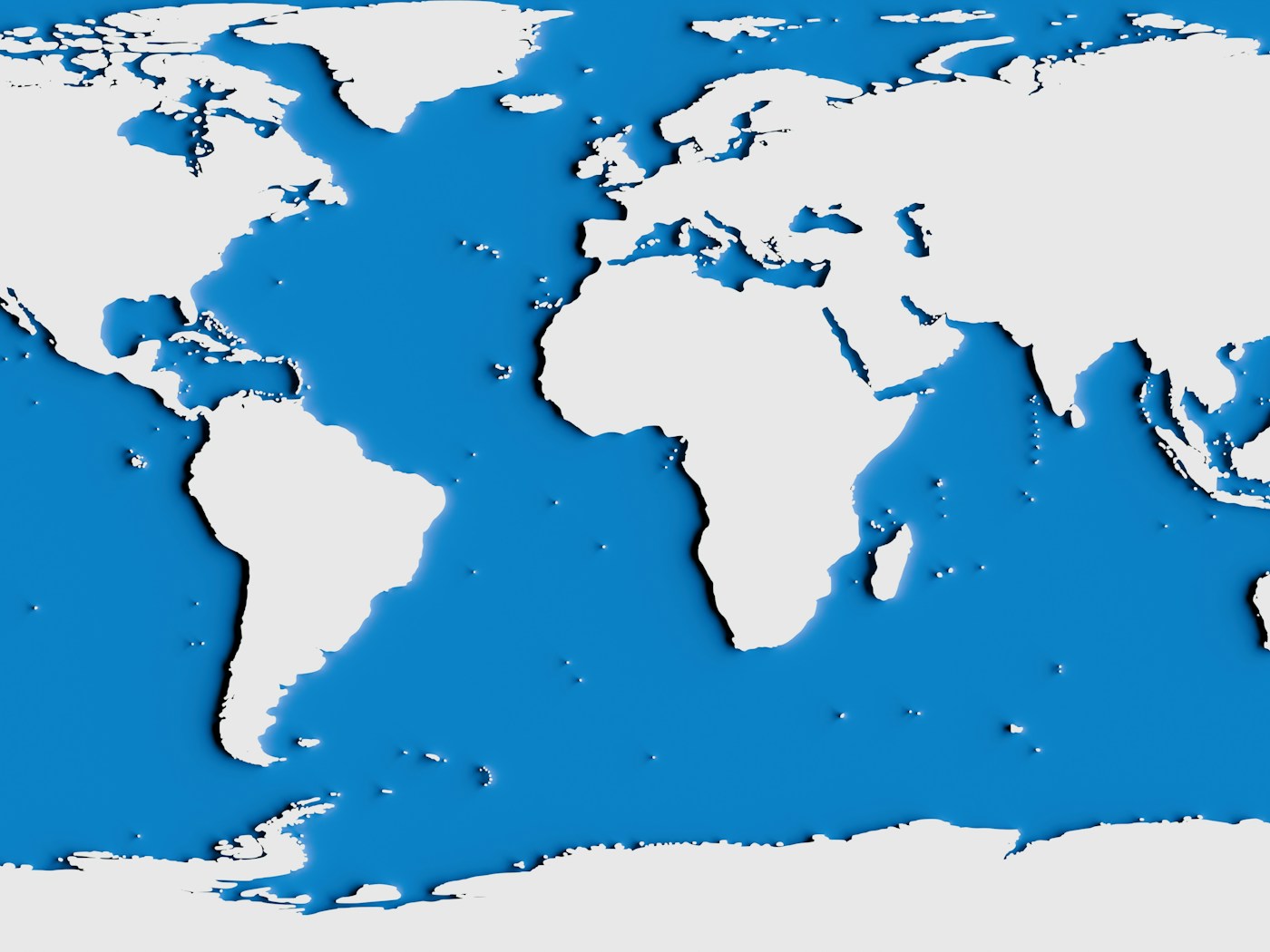
Modern blue and white world map showing continental outlines
Implementation and review

Check how regional pages work together.

We check whether regional pages can be reached through stable URLs and useful links. Google's international-site guidance recommends distinct URLs for language versions and warns that automatic redirection can prevent users and search engines from seeing all variants.

For hreflang, we check that each annotation points to the intended equivalent and uses a supported language or region code. Return links must be present where required. We also examine canonical and indexing directives, because those can undermine an otherwise correct set of annotations.

After launch, Search Console can help show which destinations appear for queries in the intended countries. We compare that information with rollout dates and other releases. You can coordinate wider priorities through SEO consulting. For individual branches or service areas, see Local SEO.

  • Accessible language and country navigation
  • Alternate-page and canonical checks
  • Representative template launch testing
  • Country and query evidence reviewed
Colleagues working together on laptops around a shared table
Sample deliverable

From duplicate regional copies to an explicit page map.

Illustrative example only. This fictional expansion shows the decisions a page plan needs to record.

01

Business question

An example company serves the UK and US but has copied its service pages without changing contact details or availability. Establish which offers and customer needs differ between the markets.

02

Content decision

Decide whether separate pages help visitors. Where they do, specify the regional information each page needs. Where they do not, document why a shared page may be more useful and easier to maintain.

03

Technical requirements

For genuine regional equivalents, define the intended URLs, language-region annotations and canonical behaviour. Provide visible navigation so visitors can choose the appropriate version themselves.

04

Acceptance checks

Test reciprocal annotations, accessible destinations and the accuracy of market-specific details. Record the launch state and review available country-level search evidence later, without promising immediate regional rankings.

Before you enquire

International SEO questions.

Practical details to help you decide what support to discuss.

01

Do we need a separate domain for each country?

That depends on your existing website and how you operate in each market. Separate domains require their own maintenance; shared structures have different constraints. We compare those implications and document the recommendation before you commit to a change.

02

Is translated content enough?

The audience may use different terminology or need different offers and practical details. We research those needs before adapting the content, then arrange the language and market review required. The proposal identifies any specialist translation costs.

03

Will hreflang fix all international ranking problems?

Hreflang helps identify alternate language or regional versions. It does not replace useful content, indexing eligibility or a sound website structure. We review those elements together and explain when the problem is outside the annotation itself.

04

What happens before and after launch?

We research the target markets and establish the page structure before producing the content. Approved pages are built with the required navigation and technical annotations. We test the site before launch and review country-level search data afterwards, investigating wrong-market results or indexing problems as they emerge.

let’s get started right now

If you would like to work with us or just want to get in touch, we’d love to hear from you!

FORZA DIGITALES

5830 East 2nd Street,

82609 Casper, WY

USA

© 2024-2026 | All rights reserved by FORZA DIGITALES